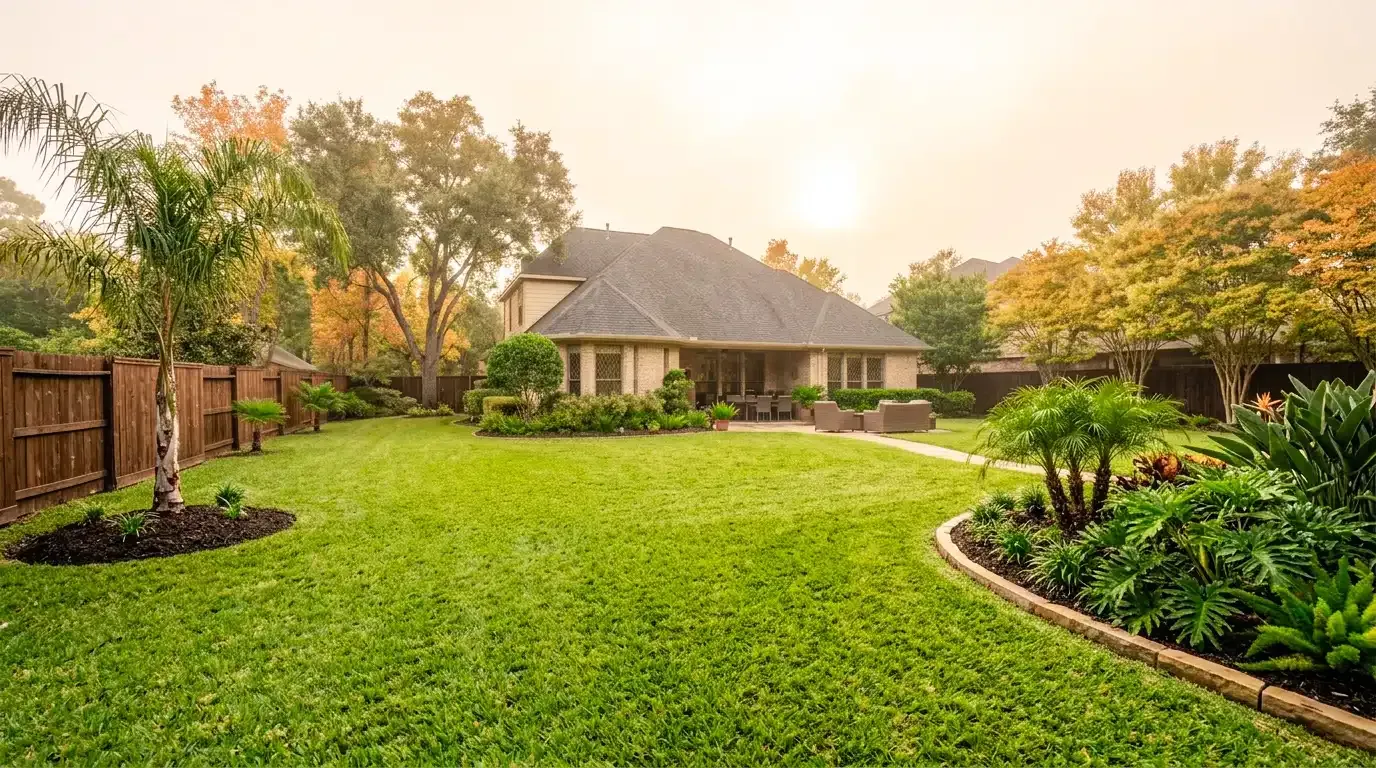
How to Create a Timeless Traditional Landscape

Urdaneta Group WSI • June 15, 2025

Create Timeless, Traditional Landscaping with Classic Plants


Whether you’re inspired by English garden charm, Southern heritage, or classic American front yards, the right plants and layout can create a warm, balanced, and beautiful year-round space.


At Rosehill Palms, we help homeowners across the Houston area design, install, and maintain classic landscapes that are both functional and beautiful. In this guide, we’ll walk you through the core design principles of traditional gardens and the plant selections that bring them to life, along with how our landscaping team can help turn your vision into reality.


Understanding Traditional Landscape Design


Traditional landscape design is rooted in classic symmetry, layered plantings, and formal structure. These gardens typically feature lush greenery, curved pathways, flowering borders, and timeless hardscape elements like stone edging.


What factors make a landscape feel “traditional”?


  • Layered Planting Beds: Tall plants in the back, mid-sized shrubs in the middle, and colorful annuals or groundcovers in front.
  • Classic Plant Selections: Think boxwoods, roses, hydrangeas, azaleas, and seasonal color.
  • Timeless Materials: Brick, flagstone, wrought iron, and natural stone are frequently used in patios, borders, and garden structures.
  • Soft Curves and Natural Flow: Modern landscapes lean into straight lines, but traditional gardens often favor gently winding paths and rounded shapes.


Factors to Consider When Selecting Plants for Traditional Landscapes


To create a cohesive and polished traditional garden, consider these key elements when choosing your plant palette: 


1. Shape and Growth Habit

Select plants that respond well to shaping and pruning. Formal hedges, rounded shrubs, and upright flowering plants maintain the clean, structured look traditional landscapes are known for.


2. Layering and Texture

To achieve the lush, full look traditional landscapes are known for, layering is key. Use a mix of broadleaf evergreens, fine-textured perennials, and flowering shrubs for a visually dynamic yet classic appearance.


3. Color and Seasonality

Classic landscapes rely on a rich variety of green foliage accented by seasonal color. Incorporate blooms that offer interest throughout the year—from spring azaleas to summer roses and fall foliage.


4. Local Climate

Choose plants that thrive in Houston’s climate. Our landscaping team at Rosehill Palms prioritizes heat-tolerant and humidity-friendly options that provide beauty without constant struggle.

Popular Plant Choices for Traditional Landscapes


When designing a traditional Houston garden, it’s key to combine native or regionally adapted plants with classic favorites. Here are some of the most popular selections our team uses in landscape installations:

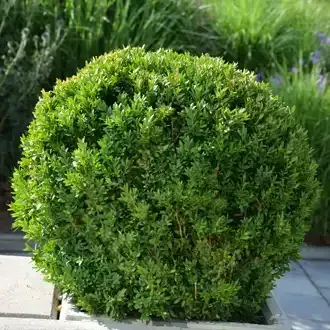
Boxwoods (Buxus spp.)

Rosehill Palms - Create Timeless, Traditional Landscaping with Classic Plants - Boxwoods

These evergreen shrubs are the cornerstone of traditional gardens. Use them for formal hedges, borders, or topiary accents.

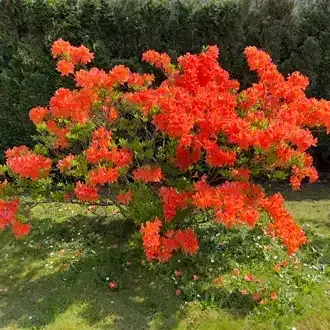
Azaleas

Rosehill Palms - Create Timeless, Traditional Landscaping with Classic Plants - Azaleas

With their vibrant spring blooms, azaleas are ideal for adding color and Southern charm to partially shaded areas.

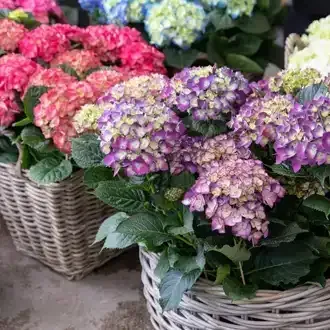
Hydrangeas

Rosehill Palms - Create Timeless, Traditional Landscaping with Classic Plants - Hydrangeas

Known for their large, showy blooms, hydrangeas create soft, romantic appeal in borders or foundation plantings.

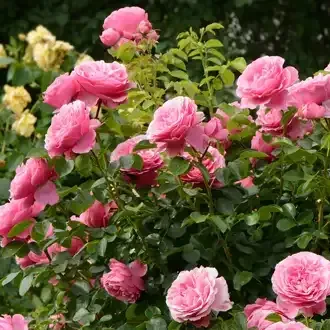
Roses

Rosehill Palms - Create Timeless, Traditional Landscaping with Classic Plants - Roses

A staple of traditional gardens, shrub roses or climbing varieties add elegance, fragrance, and year-round interest.

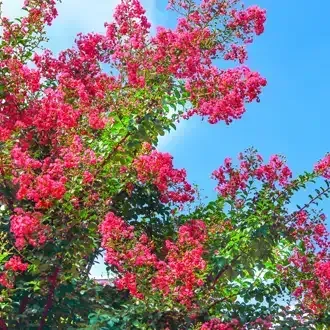
Crape Myrtles

Rosehill Palms - Create Timeless, Traditional Landscaping with Classic Plants - Crape Myrtles

These flowering trees offer four-season appeal—summer blooms, fall foliage, winter bark, and sculptural branches

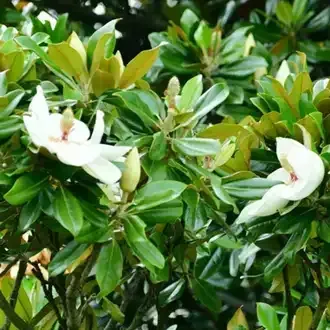
Magnolia and Live Oak

Rosehill Palms - Create Timeless, Traditional Landscaping with Classic Plants - Magnolia and Live Oak

For a stately structure, a mature magnolia or oak in a traditional landscape.

(The image shows a Magnolia)

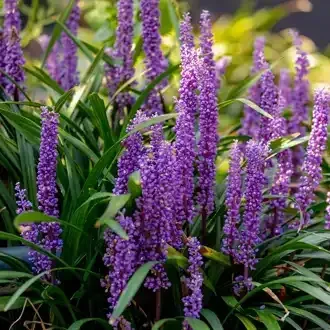
Liriope and Monkey Grass

Rosehill Palms - Create Timeless, Traditional Landscaping with Classic Plants - Magnolia and Live Oak

Excellent for edging beds or lining walkways, these low-growing plants offer tidy, reliable greenery with seasonal blooms.

(The image shows a Liriope plant)

Creating Visual Interest in a Traditional Landscape


Just because traditional design is timeless doesn’t mean it’s boring. Here’s how we add visual depth and personality while staying true to a classic aesthetic:


Layer Plants by Height

Use trees, tall shrubs, mid-sized perennials, and groundcovers to create a tiered effect. This layering softens edges and draws the eye through the space.


Use Repetition for Flow

Repeating key plant species or shapes throughout the garden creates a harmonious and balanced design.


Add Focal Points

Fountains, birdbaths, trellises, or stone benches act as focal points that enhance the garden’s visual appeal and sense of place.


Consider Seasonal Blooms

Incorporate a variety of flowering plants that bloom in different seasons to ensure your landscape stays colorful and inviting year-round.


Why Work with Rosehill Palms?


At Rosehill Palms, we do more than sell plants—we design and build full outdoor environments. Our landscaping service specializes in traditional designs that reflect timeless beauty and practical function. From concept to installation, our team takes care of everything:


  • Custom landscape design
  • Plant selection tailored to  Houston’s climate
  • Professional installation and hardscaping
  • Seasonal color refreshes and ongoing maintenance


Whether you dream of a formal front yard, a lush backyard retreat, or a full property transformation, our experienced team is here to design a welcoming, balanced, and enduring space.

Phoenix Sylvestris Palms Sales Event

Palms with 3-4 ft trunks at 50% off.


These stunning Silver Date Palms are perfect for adding instant tropical character to your landscape.


This month only. Call today

Recent Posts

5 Signs Your Palm Trees Need Professional Care blog image
By WSI Urdaneta Group March 26, 2026
Is your palm tree trying to tell you something? Learn the 5 warning signs that your palms need professional attention, before the damage becomes irreversible. Expert advice from Rosehill Palms in Tomball, TX.
Palm Thrive press release image
By WSI Urdaneta Group March 25, 2026
Rosehill Palms announces the official launch of Palm Thrive™, a new quarterly palm care program now available to Greater Houston homeowners and commercial properties.
Phoenix Sylvestris: The Complete Guide to the Silver Date Palm post image
By WSI Urdaneta Group March 8, 2026
Phoenix Sylvestris: The Complete Guide to the Silver Date Palm Few palms command attention quite like the Phoenix Sylvestris. With its towering trunk, distinctive diamond-patterned bark, and sweeping silver-green fronds, it brings a level of elegance and tropical character that few other trees can match. Known by many names, Silver Date Palm, Sugar Date Palm, Wild Date Palm, and Indian Date, the Phoenix Sylvestris has become one of the most sought-after palms in Houston landscaping. And for good reason. Its native climate in southern Asia closely mirrors the heat, humidity, and rainfall patterns of the Greater Houston area , making it exceptionally well-suited for Texas landscapes. Whether you're considering adding one to your yard for the first time or want to better understand how to care for one you already have, this guide covers everything you need to know. What Is the Phoenix Sylvestris? The Phoenix Sylvestris is a species of flowering palm native to the Indian subcontinent, including India, Pakistan, Sri Lanka, Nepal, and Bangladesh. Its Latin name: sylvestris, meaning 'of the forest' ; reflects its origins in lush, subtropical environments. It belongs to the same family as the True Date Palm (Phoenix dactylifera) and shares many of its characteristics, including a robust solitary trunk, arching pinnate fronds, and the ability to produce fruit. However, the Silver Date Palm is prized more for its ornamental qualities than its edible yield. In the United States, it thrives in USDA Hardiness Zones 8b through 11 , which includes much of South Texas and the Greater Houston area , where its hardiness and adaptability make it a standout choice for both residential and commercial landscapes. Characteristics That Make the Phoenix Sylvestris Stand Out Understanding what makes this palm unique helps you appreciate why it's such a popular choice, and what to expect as it grows in your landscape. The Trunk One of the most striking features of the Phoenix Sylvestris is its trunk. Robust and solitary, it develops a beautiful diamond-shaped pattern of leaf scars as it matures, a texture often compared to pineapple skin. The base is noticeably swollen, measuring 13 to 18 inches in diameter, giving it a sense of solidity and permanence that anchors any landscape. The Fronds The crown of the Phoenix Sylvestris is made up of 90 to 100 large pinnate fronds, each reaching 10 to 15 feet in length. Their distinctive silver-green to blue-green color, which gives the palm its 'Silver Date' nickname, creates a graceful, cascading canopy that moves beautifully in the breeze. The leaflets are sharply pointed, so caution is advised when pruning near the petioles, which are armed with long spines. Size and Growth Rate The Phoenix Sylvestris grows at a moderate pace, typically adding around 1 to 1.5 feet per year once established. At maturity, it reaches 40 to 50 feet in height with a canopy spread of 10 to 15 feet , making it a true statement tree that works best in open spaces where it has room to grow and be admired. Flowers and Fruit Like all Date Palms, the Phoenix Sylvestris is dioecious , meaning male and female flowers grow on separate trees. Small white flowers appear on a branching inflorescence among the fronds. On female trees, these are followed by small oval fruits that ripen to a purple-black color . The fruits are edible and mildly sweet, though they are smaller than commercial dates. It is worth noting that mature fruit can attract birds and rodents, so some homeowners prefer to remove flower stalks before fruiting occurs. Why the Phoenix Sylvestris Thrives in Houston Houston's climate, while challenging for many plants, is genuinely well-suited for the Phoenix Sylvestris. Here's why it performs so well in the Greater Houston area: Heat and Humidity Tolerance The Phoenix Sylvestris evolved in the subtropical conditions of southern Asia, where summers are long, hot, and humid, conditions that closely mirror Houston's climate . It handles intense summer heat with ease and doesn't struggle with the humidity that can stress other palm varieties. Cold Hardiness Despite its tropical appearance, the Silver Date Palm is surprisingly cold-tolerant. It can withstand temperatures down to the high teens (around 15 to 18°F) , making it resilient enough to handle the occasional freeze events that affect the Houston area. After a severe freeze, it may show frond damage, but it typically recovers and regenerates a full new canopy within a single growing season. Drought and Soil Tolerance Once established, the Phoenix Sylvestris is highly drought-tolerant and adapts well to a wide range of soil conditions, including the clay-heavy soils common in Houston. The key requirement is good drainage. Palms sitting in waterlogged soil for extended periods are far more vulnerable to root stress and disease. To learn more about how Houston's soils and climate affect your palms throughout the year, read our post: Why Palm Trees in Houston Need Year-Round Care (Not Just Winterization). How to Care for Your Phoenix Sylvestris in Houston The Silver Date Palm is relatively low-maintenance once established, but giving it the right start and consistent attention throughout the year significantly affects its long-term health and appearance. Sunlight The Phoenix Sylvestris prefers full sun and performs best with at least 6 to 8 hours of direct sunlight per day . It can tolerate partial shade, but growth and canopy density are best in full sun conditions. Watering During the first 60 days after planting, Phoenix Sylvestris requires consistent, generous watering to establish its root system. Once established, its water needs decrease significantly. In Houston's humid climate , supplemental irrigation is often minimal, though during extended summer dry periods, deep watering every 2 to 3 weeks is recommended. Always ensure the soil dries out between waterings to avoid root rot. Soil and Drainage Well-draining soil is essential. If your yard has heavy clay soil, common throughout Greater Houston , consider amending the planting area with sand or organic matter to improve drainage. Planting on a slightly raised grade can also help prevent water from pooling around the root zone during heavy rains. Fertilization Like all palms in Houston, the Phoenix Sylvestris benefits from palm-specific slow-release fertilizers that include the micronutrients most commonly depleted in Texas soils: magnesium, potassium, and manganese. Apply in spring and again in early summer to support healthy frond development and root strength throughout the growing season. Pruning Remove only fully brown, dead fronds. Avoid over-pruning or removing green fronds, as the palm stores essential nutrients in its canopy. When pruning, use clean, sharp pruning shears and disinfect your tools before and after each use to prevent the spread of disease. Be cautious around the petioles; the spines are sharp. For more guidance on proper palm pruning and seasonal maintenance, visit our post: Tips for Winter Palm Maintenance. Landscaping Ideas with the Phoenix Sylvestris The Phoenix Sylvestris is one of the most versatile palms available for Houston landscapes. Its striking appearance works in a wide variety of design contexts: Driveway focal point: A pair of Silver Date Palms flanking a driveway entrance creates a dramatic, resort-like first impression. Poolside anchor: Their tropical canopy provides natural shade and adds an upscale, resort atmosphere to any pool area. Specimen planting: A single mature Phoenix Sylvestris in an open lawn becomes an instant focal point and conversation piece. Group planting: Clustering three or more together creates a lush tropical canopy effect, especially effective in larger yards or commercial properties. Avenue planting: Lining a pathway or entrance with Silver Date Palms is a classic design choice seen in luxury properties and golf courses across Texas. If you're deciding between palm varieties for your landscape, our comparison guide, Fan Palms vs Date Palms: Which Is the Best for Your Landscape? , can help you choose the right fit. And if you're starting from scratch and want to explore your options, How to Pick a Palm Tree in Texas is a great starting point. One Thing to Watch: Texas Phoenix Palm Decline The Phoenix Sylvestris, like other Date Palm varieties, is susceptible to Texas Phoenix Palm Decline (TPPD) — also known as Lethal Bronzing Disease. This is a serious phytoplasma disease spread by sap-sucking insects called planthoppers. Early symptoms include premature fruit drop, bronzing and wilting of older fronds starting from the bottom of the canopy, and eventual collapse of the central spear leaf. Because the disease does not always produce visible symptoms in its early stages, regular visual inspections by a palm care professional are important. Preventative OTC (oxytetracycline) inoculations administered every three months are the most effective tool currently available for managing this disease. If you have Phoenix Sylvestris palms in your landscape, proactive monitoring and treatment are strongly recommended. This is one of the key reasons why consistent year-round care matters for this variety. Learn more about proactive palm health in our guide: Why Palm Trees in Houston Need Year-Round Care (Not Just Winterization), or learn more about our Palm Maintenance, Care, and Conditioning Program. Conclusion The Phoenix Sylvestris is one of the most rewarding palms you can add to a Houston landscape. Its silver-green canopy, distinctive trunk, cold hardiness, and adaptability to Texas conditions make it a premium choice for homeowners who want a tree that makes a lasting impression. Like any significant landscape investment, it benefits from the right start: proper planting, consistent nutrition, good drainage, and regular monitoring. Give it what it needs, and the Silver Date Palm will reward you with decades of beauty and presence. At Rosehill Palms, we currently have 3 to 4 ft trunk Phoenix Sylvestris palms available for a limited time (this month only — March 2026) as part of our Spring Kick-Off Palm Sale . These stunning silver date palms are ready to transform your landscape this season. Supply is limited. Contact our team today for special pricing. Frequently Asked Questions How fast does a Phoenix Sylvestris grow? Once established, the Phoenix Sylvestris grows at a moderate rate of approximately 1 to 1.5 feet per year. Growth is typically faster during the warm spring and summer months and slows in cooler weather. Is the Phoenix Sylvestris cold-hardy enough for Houston winters? Yes. The Silver Date Palm can tolerate temperatures down to approximately 15 to 18°F, making it well-suited for Houston's climate. After a severe freeze event, it may experience frond damage, but it typically recovers fully within a single growing season. How much space does a Phoenix Sylvestris need? At maturity, the Phoenix Sylvestris reaches 40 to 50 feet in height with a canopy spread of 10 to 15 feet . It should be planted in an open area, away from structures, power lines, and other trees, to allow its full canopy to develop. How often should I water a newly planted Phoenix Sylvestris? During the first 60 days after planting, water generously and consistently to help the root system establish. After that period, reduce watering frequency and allow the soil to dry out between waterings. Once fully established, the tree is highly drought-tolerant. What is Texas Phoenix Palm Decline, and how do I prevent it? Texas Phoenix Palm Decline (TPPD) , also known as Lethal Bronzing Disease, is a phytoplasma disease that affects Date Palm varieties, including the Phoenix Sylvestris. It is spread by sap-sucking insects and can be difficult to detect in its early stages. Preventative OTC inoculations every three months are the most effective management tool currently available. Regular inspections by a palm care professional are strongly recommended. What is the best time of year to plant a Phoenix Sylvestris in Houston? Spring is the ideal time to plant a Phoenix Sylvestris in Houston . Warming soil temperatures and increased daylight support faster root establishment, giving the palm a strong foundation before the intense summer heat arrives.
More Post
Rosehill Palms logo

Proud member of the

Texas Nursery & Landscape Association

Texas Nursery and Landscape Association  logo
Contact Us  We are here to help! Meet our friendly staff! Enjoy affordable prices! For your dream garden! Join our Community! Big Palms. Little Prices!

Please feel free to contact us via the form below. We will give you an answer as soon as possible!

Contact Rosehill Palms

Rosehill Palms | Developed by WSI Urdaneta Group | All Rights Reserved 2026