How to Grow and Care for Cactus in Texas

WSI Urdaneta Group • January 23, 2026

How to Grow and Care for Cactus in Texas


Cacti plants are known for being tough, low-maintenance, and perfect for adding bold texture to landscapes and patios. While they are often associated with desert climates, wide cactus varieties can thrive in Texas when planted and cared for correctly.


With the right sunlight, soil, and watering habits, cacti can become beautiful and resilient additions to your outdoor space.


A Practical Guide to Growing and Caring for Cactus in Texas


Cactus are well-suited for Texas landscapes thanks to their ability to tolerate intense sunlight, long dry periods, and challenging soil conditions. They add bold structure, interesting shapes, and seasonal blooms to gardens while requiring less water than many traditional plants.


When used thoughtfully, cacti can help create landscapes that are both eye-catching and easier to maintain — especially when paired with gravel, stone, and other low-water plants.


General Cactus Care Tips for Texas


Before choosing specific varieties, it helps to understand the basic care that most cactus need in Texas conditions.


Sunlight

Most cacti prefer full sun, but in extremely hot areas, a little afternoon shade can prevent stress or sunburn. Container plants may need to be moved during peak summer heat.


Watering
Cactus need far less water than traditional landscape plants. Allow soil to dry completely between waterings, and reduce watering even more during cooler months.


Soil & Drainage
Good drainage is critical. Heavy clay soils should be amended with sand, gravel, or perlite, or cactus can be grown in raised beds or containers with a cactus soil mix.


Rain & Humidity
In more humid parts of Texas, excess moisture can be more harmful than drought. Avoid planting cactus in low spots where water collects after heavy rains.


Popular Cactus Varieties in Texas, and How to Care for Them


Not all cacti have the same needs. Here are several varieties that perform well in Texas landscapes, and how to care for each one.

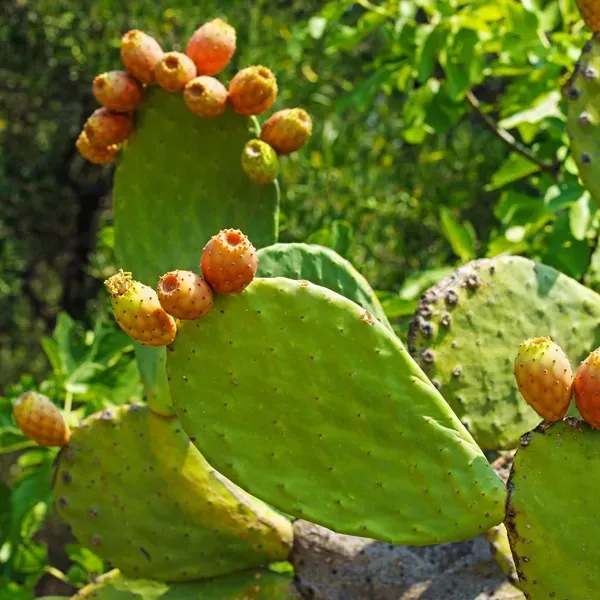
Prickly Pear

Prickly Pear Cactus with green pads and orange fruit, set outdoors.

A classic Texas favorite, Prickly Pear is extremely heat-tolerant and adapts well to a range of soil types as long as drainage is good.


Care Tips:
Sun: Full sun
Water: Very low once established
Soil: Well-draining; tolerates rocky soil
Extra: Produces colorful blooms and edible fruit

Golden Barrel Cactus

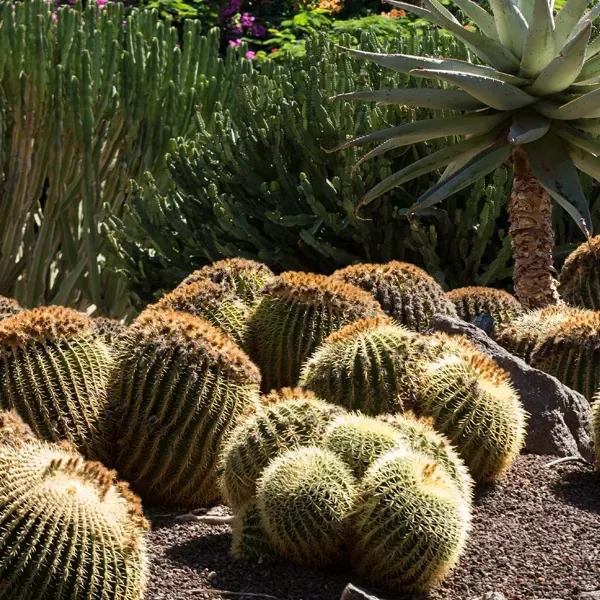
Golden barrel cacti clustered in a garden with other cacti and plants.

This bold, round cactus is often used as a focal point in modern or desert-style landscapes.


Care Tips:
Sun: Full sun to light afternoon shade in very hot areas
Water: Allow soil to dry completely between waterings
Soil: Fast-draining cactus mix
Extra: Avoid soggy soil during rainy periods

Christmas Cactus

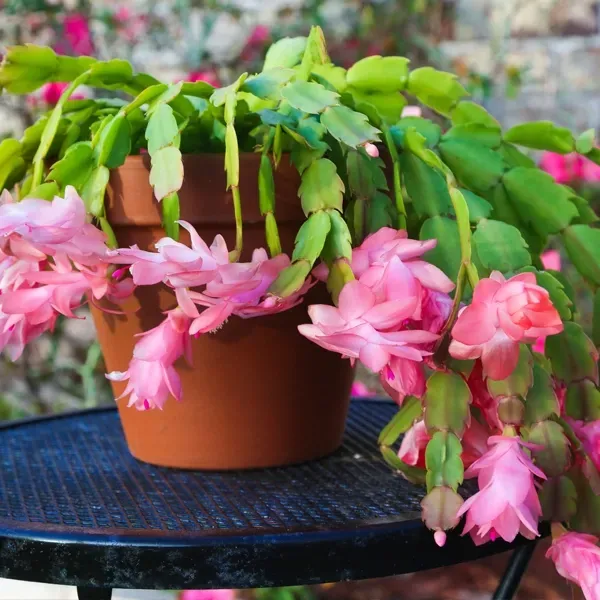
Pink Christmas cactus in a terracotta pot on a table.

Unlike desert cactus, this tropical species prefers humidity and indirect light, making it great for patios or indoor spaces.


Care Tips:
Sun: Bright, indirect light
Water: Keep soil lightly moist but not wet
Soil: Well-draining potting mix
Extra: Blooms in cooler months with colorful flowers

Bunny Ear Cactus

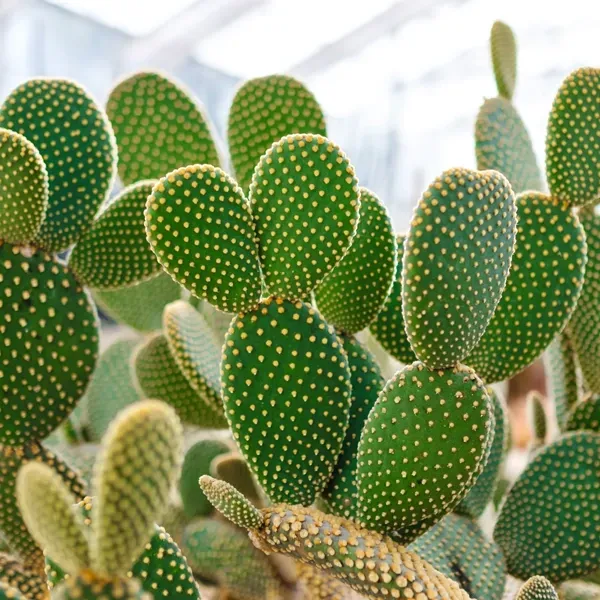
Close-up of a vibrant green Bunny Ear Cactus, featuring many oval-shaped pads with small yellow dots.

A smaller, container-friendly cactus known for its distinctive pad shape.


Care Tips:
Sun: Full sun
Water: Infrequent watering; let soil dry fully
Soil: Sandy or cactus mix
Extra: Handle carefully — tiny spines can irritate skin

Hedgehog Cactus

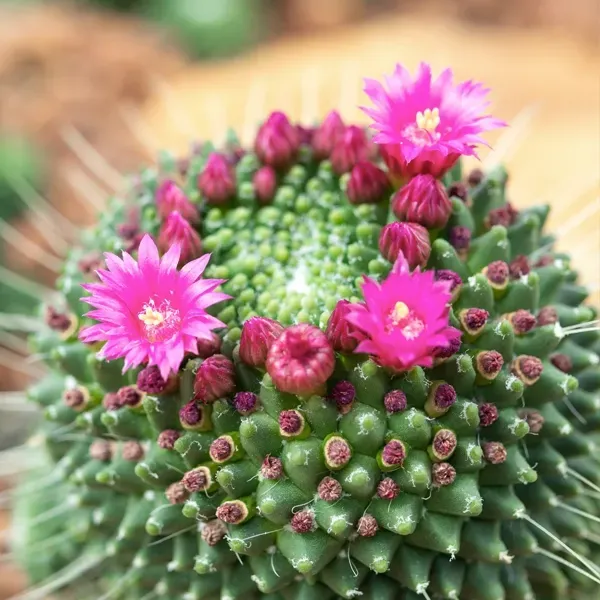
Close-up of a green cactus with pink flowers and buds.

This compact cactus adds bright seasonal blooms and works well in rock gardens.


Care Tips:
Sun: Full sun
Water: Low water needs once established
Soil: Excellent drainage required
Extra: Flowers attract pollinators

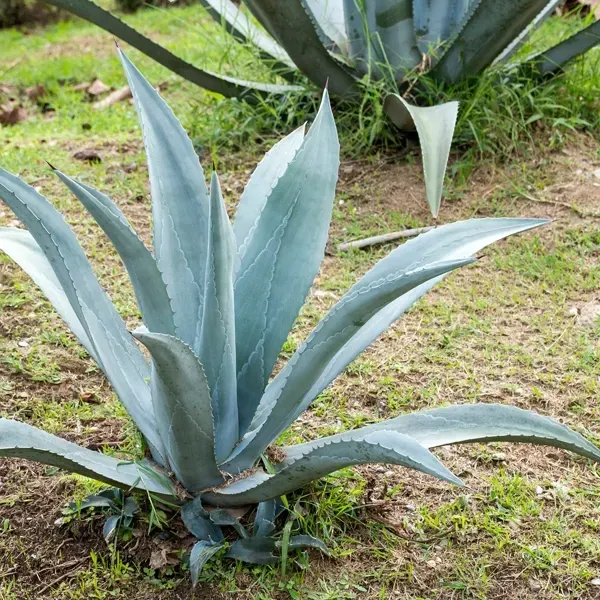
Agave (A Great Companion Plant)

Blue-green agave plant with spiky leaves growing outdoors in dirt and grass.

While not technically a cactus, agaves pair beautifully with cactus and thrive under similar conditions.


Care Tips:
Sun: Full sun
Water: Low water once established
Soil: Well-draining soil
Extra: Some varieties grow large — allow room to spread

Design Ideas for Using Cactus in Your Landscape


Cactus work beautifully in:


Rock gardens
Decorative containers
Modern or desert-style beds
Accent areas with gravel or stone


They pair well with succulents, agaves, and other drought-tolerant plants that handle Texas heat.


Conclusion


Cacti offer a unique combination of durability, low water needs, and bold visual appeal — making them an excellent addition to many Texas landscapes. With proper sunlight, well-draining soil, and careful watering habits, cactus can thrive and provide year-round interest in your yard.


Whether you’re designing a new garden bed or adding plants to a patio container, choosing the right cactus and following basic care principles will help ensure long-term success.


Related Reading from the Rosehill Palms Blog


The Best Native Plants for Houston Landscaping


How to Create a Timeless Traditional Landscape


How to Revive Your Landscaping for the Spring


Frequently Asked Questions


Q: Can cactus survive in humid parts of Texas?
Yes. Many cactus varieties can adapt as long as they have excellent drainage and are not left sitting in wet soil.


Q: How often should I water my cactus in Texas?
Only when the soil is completely dry. In warm months, that may be every 2–3 weeks; in cooler months, even less.


Q: What type of soil is best for cactus?
A cactus or succulent mix with excellent drainage. You can also amend native soil with sand, gravel, or perlite.


Q: Do cactus need fertilizer?
Light feeding once in spring with a cactus fertilizer can support healthy growth, but cactus do not need heavy fertilizing.


Q: Are cactus safe around pets and children?
Many cactus have sharp spines, so placement is important. Consider less spiny varieties or keep them out of high-traffic areas.

Palms Winter Protection Package

We offer seasonal Palms Care Packages to ensure that your investment is protected during Winter and ready to glow in Spring.

Recent Posts

January Garden Checklist for Houston Homeowners post blog image
By Urdaneta Group WSI January 2, 2026
Start the year strong with a January garden checklist for Houston homeowners. Learn how to prune, mulch, water, and plan with help from Rosehill Palms.
Best Plants to Create a Cottage Garden in Your Landscaping post image
By Urdaneta Group WSI December 11, 2025
Discover the best plants and design tips to create a charming cottage garden. Learn how to style, maintain, and integrate this look into your landscape.
How To Integrate Permeable Hardscaping into Your Landscaping post image
By Urdaneta Group WSI November 27, 2025
Learn from the Rosehill Palms Landscaping Team how permeable hardscaping improves drainage, prevents flooding, and enhances curb appeal.
More Post
Rosehill Palms logo

Proud member of the

Texas Nursery & Landscape Association

Texas Nursery and Landscape Association  logo
Contact Us  We are here to help! Meet our friendly staff! Enjoy affordable prices! For your dream garden! Join our Community! Big Palms. Little Prices!

Please feel free to contact us via the form below. We will give you an answer as soon as possible!

Contact Rosehill Palms

Rosehill Palms | Developed by WSI Urdaneta Group | All Rights Reserved 2026