How to Grow and Care for Blue Lily of the Nile

Urdaneta Group WSI • September 8, 2024

How to Grow and Care for Blue Lily of the Nile


Our top pick this season at Rosehill Palms is the Blue Lily of the Nile. These plants bring an elegant touch to gardens with their striking, spherical clusters of blue or purple flowers. This blog will provide a comprehensive understanding of the Blue Lily of the Nile, so you can enjoy them all summer long.


What is the Blue Lily of the Nile


The Blue Lily of the Nile, also known by its botanical name
Agapanthus, is a hardy, herbaceous perennial native to Southern Africa. Known for its long stalks topped with clusters of star-shaped blue or purple flowers, it is a favorite among gardeners who want to add vibrant, eye-catching blooms to their outdoor spaces.


Blue Lily of the Nile thrives in
USDA hardiness zones 7-11, making it well-suited for warm climate with mild winters. These plants are heat-tolerant and drought-resistance once established, making them particularly ideal for Texas landscapes. They are also low-maintenance and long-blooming, with flowers appearing in late spring through summer.


Choosing the Right Variety of Blue Lily of the Nile

 When selecting a variety, it’s important to consider the specific growing conditions and aesthetic preferences for your garden. Popular varieties include:

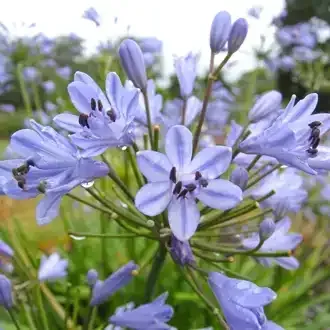
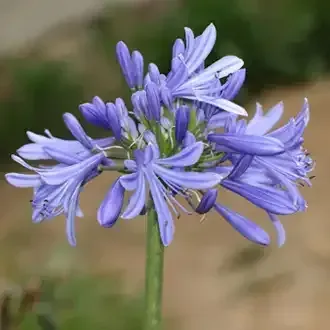
Blue Agapanthus flower head on a green stem, with multiple blooms open and closed.

Agapanthus Africanus


Known for its deep blue flowers, this variety is compact and perfect for borders or containers.

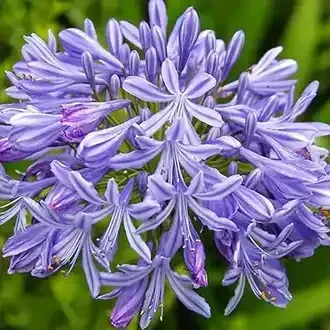
Blue agapanthus flowers blooming with buds, in a garden setting.

Agapanthus "Blue Storm"


A drought-tolerant variety with sky-blue blooms, ideal for water-wise gardens.

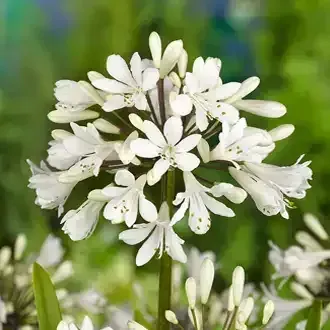
White Agapanthus flower cluster with trumpet-shaped blooms. Green stalk and blurred background.

Agapanthus "Albus"


A white-flowering variety that offers a softer, more subtle addition to the landscape.

Cluster of blue and white striped agapanthus flowers.

Agapanthus "Peter Pan"


A dwarf variety, great for smaller garden spaces or container gardening.


How to Choose a Location for Your Blue Lily of the Nile


Selecting the right location is key for your Blue Lily of the Nile to thrive. This plants grow best in sunny environments and need at least
six hours of direct sunlight per day to produce their vibrant blooms. However, in hotter climates, they may need partial shade to prevent excessive wilting.


Plant them in well-draining soil to avoid waterlogged roots. While they are adaptable to different soil types, slightly sandy or loamy soils are ideal for these plants. They prefer slightly acidic soil in the range of
6.0 to 7.0 pH.


How to Plant Blue Lily of the Nile


Proper planting techniques are essential for established a healthy Agapanthus. Here’s a step-by-step guide:


  1. Choose the Right Time: Plant Agapanthus in the spring after the last frost, when the soil has warmed.
  2. Prepare the Soil: Amend the soil with organic matter to improve drainage and fertility if necessary. If planting in containers, ensure the pot has good drainage and is at least 12 inches wide.
  3. Planting Depth: Dig a hole twice as wide and just as deep as the root ball. 
  4. Position the Plant: Place the plant in the hole ensuring the crown is level with the soil surface to prevent water-logging.
  5. Backfill and Water: Backfill the hole with soil, gently firming it around the base. Water thoroughly the settle the soil and remove air pockets.
  6. Mulch: Apply a layer of mulch around the plant to retain moisture and regulate soil temperature.


Blue Lily of the Nile Care Instructions: Watering and Feeding


While Blue Lily of the Nile is drought-tolerant once established, young plants will need consistent moisture to get established.
Water deeply but infrequently, allowing the soil to dry out between watering. From spring through summer, water regularly to promote vigorous growth and blooming. Reduce watering when the plant enters dormancy in the fall and winter.


To keep your plant well-fed, use a balanced, slow-release fertilizer every six to eight weeks during the growing season.


Pruning and Dividing Blue Lily of the Nile


Pruning and dividing Agapanthus us essential to maintain its health and appearance. 


Pruning: Deadhead old blooms to encourage new flower production and keep the plant looking neat. Cut the flower stalks back to the base once blooming has finished.


Dividing: Every 3-4 years, divide overcrowded clumps in early spring or fall to encourage better flowering and rejuvenate the plant. Carefully lift the plant from the ground, divide the root clump into smaller sections, and replant.


Blue Lily of the Nile: Common Pests and Diseases


Snails and Slugs: These pests can chew on the leaves and flowers, especially in damp conditions. Use organic snail bait or traps to control them.


Root Rot: This can occur if the plant is overwatered or grown in poorly draining soil. Ensure proper drainage and avoid watering too frequently.


Fungal Leaf Spot: Occasionally, Agapanthus may develop spots on the leaves due to fungal infections. Remove affected leaves and improve air circulation around the plant.

Rosehill Palms Tips & Tricks logo

Rosehill’s Tips and Tricks for Growing Blue Lily of the Nile


Container Growth: If growing Agapanthus in pots, choose a pot large enough to accommodate the plant’s roots, and don’t repot too frequently, as they prefer slightly root-bound conditions.


Support: Some taller varieties may benefit from staking to keep the flower stalks upright, especially in windy areas.


Conclusion


The Blue Lily of the Nile is a stunning addition to any garden, offering long-lasting blooms and relatively easy care. With proper planting, watering, and occasional pruning, you can enjoy vibrant blue flowers year after year. Whether you’re growing them in the ground or in containers, Agapanthus adds a touch of elegance and beauty to any landscape.

Palms Winter Protection Package

We offer seasonal Palms Care Packages to ensure that your investment is protected during Winter and ready to glow in Spring.

Recent Posts

January Garden Checklist for Houston Homeowners post blog image
By Urdaneta Group WSI January 2, 2026
Start the year strong with a January garden checklist for Houston homeowners. Learn how to prune, mulch, water, and plan with help from Rosehill Palms.
Best Plants to Create a Cottage Garden in Your Landscaping post image
By Urdaneta Group WSI December 11, 2025
Discover the best plants and design tips to create a charming cottage garden. Learn how to style, maintain, and integrate this look into your landscape.
How To Integrate Permeable Hardscaping into Your Landscaping post image
By Urdaneta Group WSI November 27, 2025
Learn from the Rosehill Palms Landscaping Team how permeable hardscaping improves drainage, prevents flooding, and enhances curb appeal.
More Post
Rosehill Palms logo

Proud member of the

Texas Nursery & Landscape Association

Texas Nursery and Landscape Association  logo
Contact Us  We are here to help! Meet our friendly staff! Enjoy affordable prices! For your dream garden! Join our Community! Big Palms. Little Prices!

Please feel free to contact us via the form below. We will give you an answer as soon as possible!

Contact Rosehill Palms

Rosehill Palms | Developed by WSI Urdaneta Group | All Rights Reserved 2026