
Why Are My Palm Trees Dying? Signs Your Palms Are in Decline
Why Are My Palm Trees Dying? Signs Your Palms Are in Decline
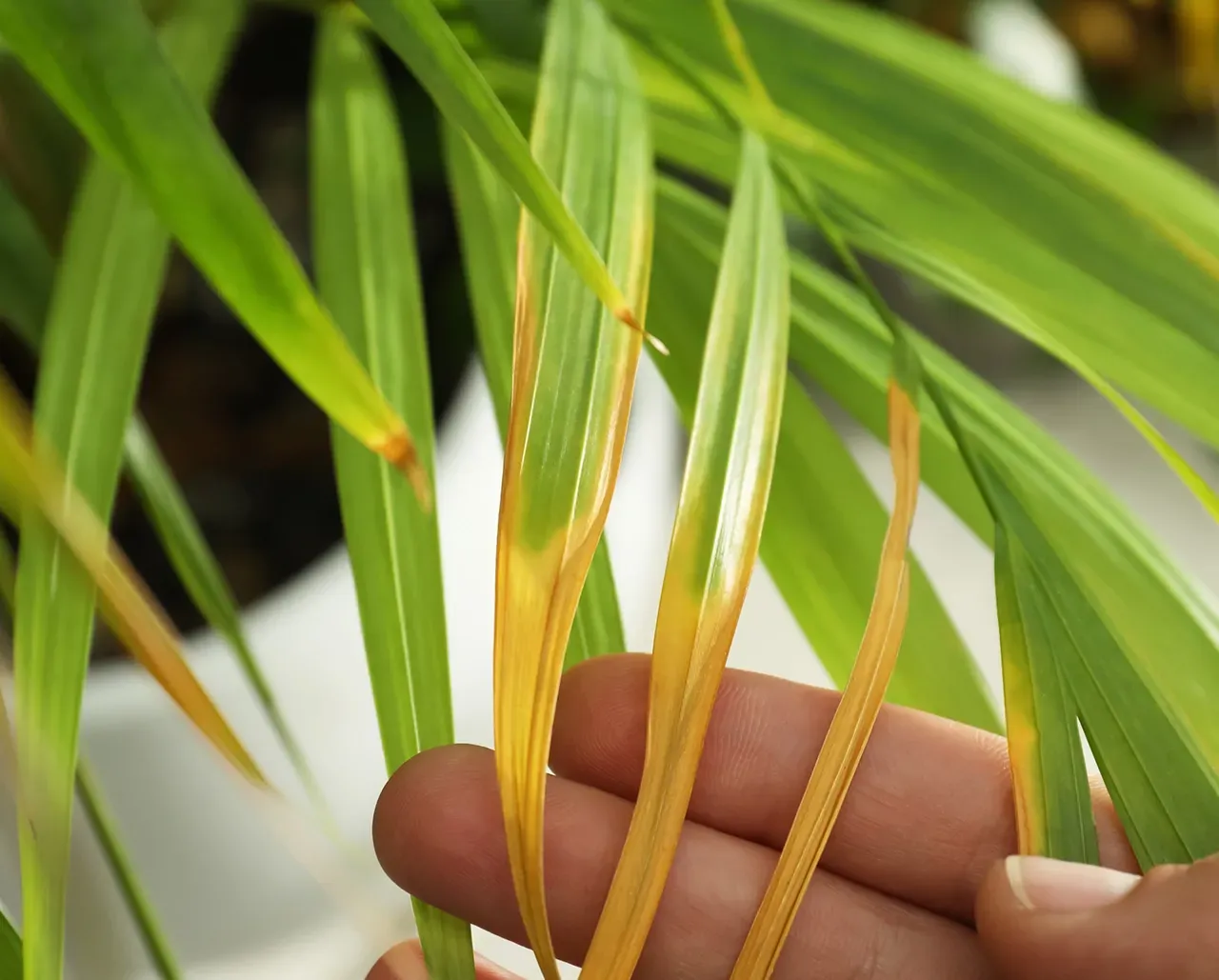
It starts with something small. A few yellow fronds. Some browning at the tips. A canopy that looks a little thinner than it used to. Easy to dismiss; easy to chalk up to the weather or a dry spell. But for palm trees in Houston, these early signs are often the first visible indication of a problem that has been developing for months.
Palm trees are resilient, but they are not invincible. And one of the trickiest things about palm decline is that by the time the damage is obvious, the underlying cause has often been progressing quietly for a long time. Understanding why palms decline and knowing what to look for is the best way to protect your landscape investment before it is too late.
This guide covers the most common causes of palm decline in the Greater Houston area, the signs to watch for at each stage, and what you can do about it.
The Most Common Causes of Palm Decline in Houston
Palm decline rarely has a single cause. In most cases, it results from one or more ongoing stressors that gradually weaken the palm's ability to sustain itself. Here are the most common culprits in the Greater Houston area.
Nutrient Deficiencies
Nutrient deficiency is the leading cause of palm decline in Houston landscapes, and one of the most misunderstood. Houston's soils are naturally alkaline and clay-heavy, conditions that make it difficult for palms to absorb the specific nutrients they need most: magnesium, potassium, and manganese.
The challenge is that these deficiencies develop slowly. A palm may look reasonably healthy for an entire growing season while quietly depleting its reserves. By the time yellowing, browning, or stunted growth becomes visible, the deficiency has typically been progressing for months. And because each season of deficiency compounds the next, untreated palms become progressively weaker over time.
The solution is palm-specific fertilization, slow-release formulations that include the micronutrients most commonly depleted in Texas soils and are applied at the right time of year. Generic lawn fertilizers are not an adequate substitute.
Poor Drainage and Root Stress
Houston's clay-heavy soils drain slowly, and the city's frequent heavy rainfall means palms are often sitting in waterlogged conditions for extended periods. This is one of the most damaging situations a palm can face. Roots deprived of oxygen, which waterlogged soil creates, begin to suffocate and die. This condition, known as root rot, is progressive and largely invisible until significant damage has already been done.
Signs of root stress include yellowing fronds, stunted growth, and a gradual decline in canopy density. In severe cases, the trunk base may feel soft, or the palm may begin to lean as root system integrity is compromised.
Improving drainage through soil amendments, raised planting beds, or drainage solutions is the most effective long-term fix. But in palms that are already showing significant decline, professional intervention is often necessary to assess the extent of root damage.
Over-Pruning
Over-pruning is one of the most common and most preventable causes of palm decline in Houston. The temptation to keep palms looking neat and tidy can lead homeowners to remove too many fronds, including green ones that the palm is still actively using.
Palm trees store essential nutrients in their fronds, particularly potassium. When green fronds are removed prematurely, the palm loses those stored reserves and must work harder to sustain its canopy. Over time, aggressive pruning creates a cumulative nutritional deficit that weakens the entire tree.
The rule is simple: only remove fronds that are fully brown and dead. Fronds that are still green, even partially, should be left in place.
Freeze Damage
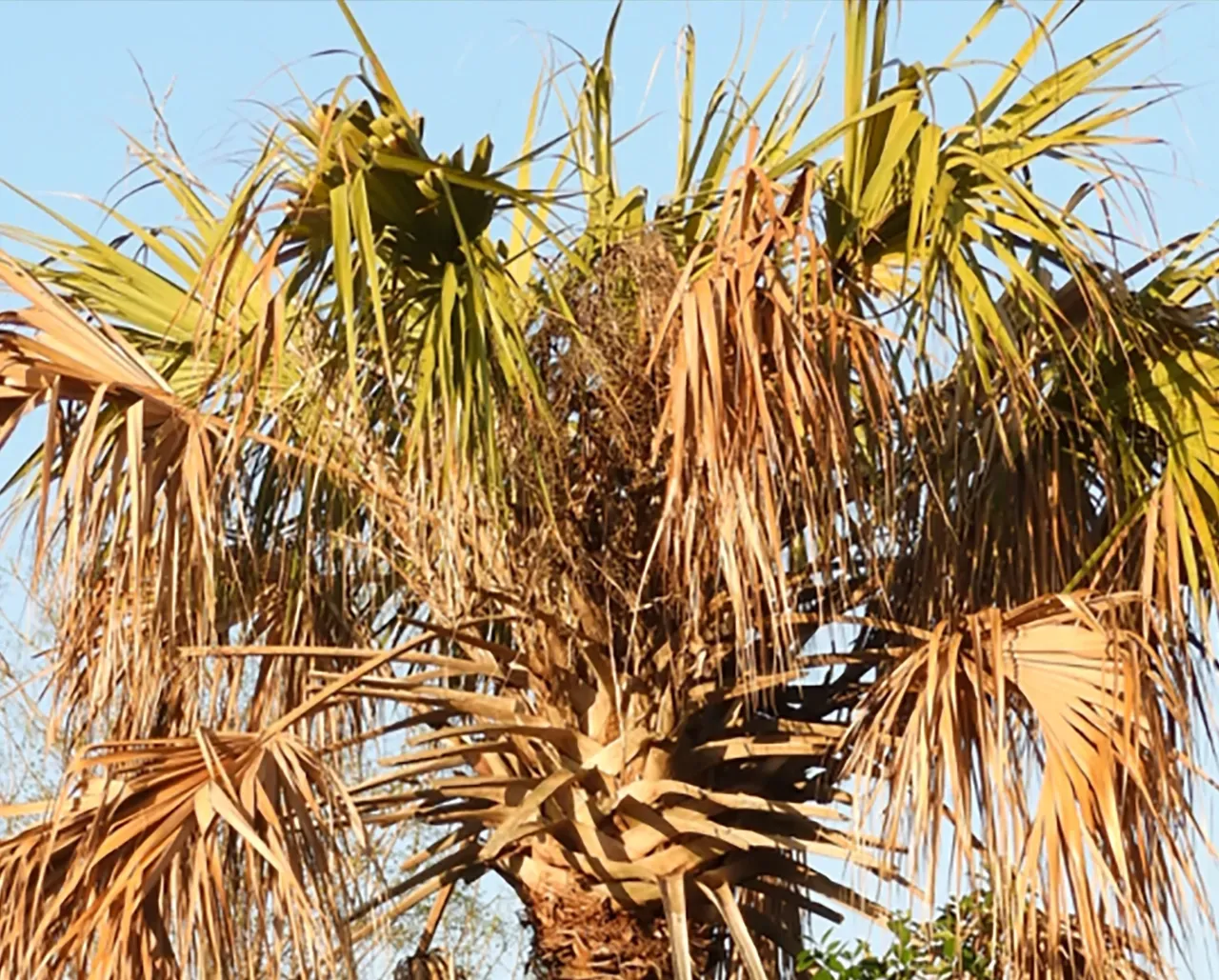
Houston's winters are generally mild, but freeze events can and do occur, and they are often more damaging than they appear. A palm that looks fine immediately after a freeze may develop significant visible damage weeks later, as the cold-affected tissue dies back.
The palms most vulnerable to freeze damage are those that entered winter already stressed, from nutrient deficiencies, root stress, or over-pruning. A well-nourished, healthy palm in the same freeze event will typically recover far more quickly and completely than one that was already weakened.
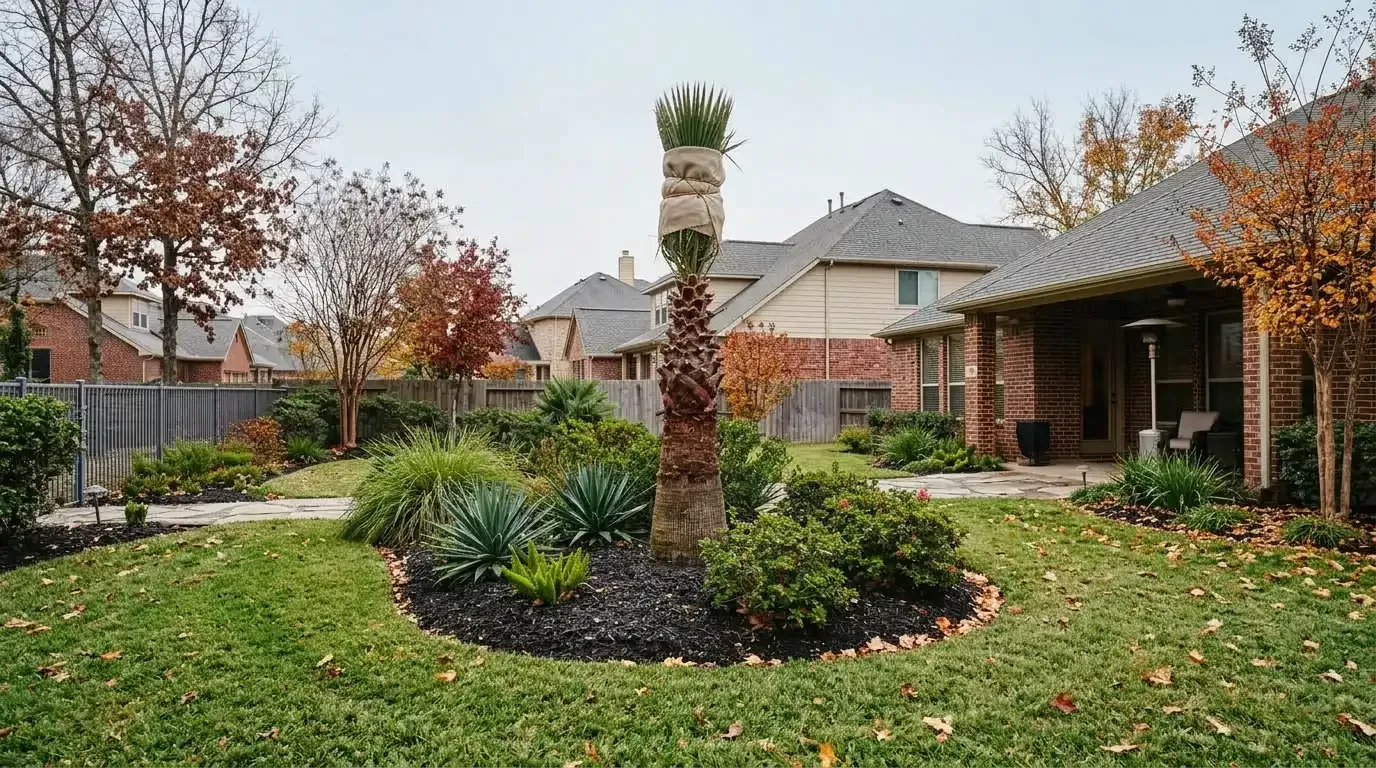
If your palm shows brown or collapsed fronds following a freeze, resist the urge to cut everything away immediately. Allow several weeks for the full extent of the damage to become visible, and seek professional guidance before pruning significantly.
For more on how to prepare your palms for Houston winters, read our guide:
Tips for Winter Palm Maintenance
Disease
Two diseases are responsible for the most serious and irreversible cases of palm decline in the Greater Houston area.
The first is Texas Phoenix Palm Decline
(TPPD), also known as Lethal Bronzing Disease. This phytoplasma disease, spread by sap-sucking insects, is fatal to affected palms if not caught and treated early. It primarily affects Date Palm varieties, including the popular Phoenix Sylvestris. Early symptoms include premature fruit drop and progressive bronzing of lower fronds that work upward through the canopy. Preventative OTC inoculations every three months are the most effective management tool currently available.
The second is Ganoderma Butt Rot, a fungal disease that attacks the base of the trunk. It is identified by the appearance of a shelf-like fungal growth (conk) at the base of the tree. There is no treatment for Ganoderma; affected palms must be removed to prevent the fungus from spreading to nearby trees.
Both diseases underscore the importance of regular professional inspections. Early detection is the only meaningful advantage available to homeowners.
To learn more about these diseases and other warning signs, read our post:
5 Signs Your Palm Trees Need Professional Care
How to Tell If Your Palm Is Declining or Already Dying
Understanding where your palm is in the decline process helps determine what options are still available.
Early Decline
At this stage, the palm is showing early warning signs but can still recover with the right intervention. Signs include yellowing of lower fronds, browning frond tips that are spreading inward, slightly reduced growth rate, and fronds that look pale or washed out rather than vibrant green.
Early decline is the most treatable stage. Targeted fertilization, drainage correction, and professional inspection can often reverse the trajectory and restore the palm to full health over one to two growing seasons.
Moderate Decline
At this stage, the palm's reserves are significantly depleted, and visible damage is more widespread. Signs include multiple canopy levels showing discoloration, noticeably stunted growth, a thinning canopy with fronds not being replaced, and possible signs of root stress, such as leaning or soil disturbance at the base.
Recovery at this stage is still possible but requires more intensive intervention and a longer recovery period. Professional assessment is essential to determine the extent of the damage and the most appropriate course of action.
Severe Decline
At this stage, the palm's growing point, the spear leaf at the crown, may be collapsing or already dead. The canopy may be largely brown, the trunk may show signs of rot, and the palm may have developed a significant lean.
In cases of severe decline, recovery is often not possible. A professional assessment can confirm whether any intervention is viable or whether safe removal is the appropriate next step.
What to Do If You Think Your Palm Is Dying
If you are seeing signs of decline in your palms, the most important thing is to act quickly and not assume the problem will resolve on its own. Here is a practical approach:
First, stop any aggressive pruning. Remove only fully dead, brown fronds and leave everything else in place.
Second, assess your drainage. If water pools around the palm after rain, this needs to be addressed regardless of what other interventions you pursue.
Third, arrange a professional inspection. A trained palm care professional can assess frond color patterns, canopy health, trunk condition, and root zone indicators to determine what is actually causing the decline, and what, if anything, can be done.
At Rosehill Palms, our
Palm Thrive:
Palm Maintenance, Care & Conditioning Program includes professional quarterly visits, full visual health inspections, palm-specific nutrition, and ongoing monitoring. For homeowners with palms already showing signs of decline, we also offer a standalone Single Service Visit for an immediate professional assessment.
For a full understanding of what year-round palm care looks like and why it matters, read our guide:
Why Palm Trees in Houston Need Year-Round Care (Not Just Winterization)
Can a Dying Palm Tree Be Saved?
The honest answer is: it depends on the cause and how far the decline has progressed.
Palms declining due to nutrient deficiencies, poor drainage, or over-pruning can often be saved — especially when the problem is caught early. With the right fertilization, drainage correction, and care adjustments, many palms recover fully over one to two growing seasons.
Palms affected by Texas Phoenix Palm Decline can sometimes be stabilized with early treatment, though the disease is ultimately fatal if not caught before significant damage occurs.
Palms with advanced Ganoderma Butt Rot, severe root failure, or a collapsed growing point are generally beyond recovery and should be assessed for safe removal.
This is why early action always produces the best outcomes. The difference between a palm that recovers and one that cannot be saved is often simply a matter of timing.
If you are unsure whether your Phoenix Sylvestris or another Date Palm variety can be saved, our complete guide, Phoenix Sylvestris: The Complete Guide to the Silver Date Palm, covers what to watch for in this specific variety.
Prevention: The Most Effective Strategy
The palms that survive and thrive in Houston landscapes are not necessarily the hardiest varieties. They are the ones that receive consistent, proactive attention throughout the year, the right nutrition at the right time, good drainage, regular inspections, and appropriate pruning.
Prevention does not require constant intervention. It requires a structured approach that addresses the right things at the right times, before problems develop rather than after they become visible.
For homeowners who want that structured approach without managing it themselves, our
Palm Thrive program provides exactly that: quarterly professional care, seasonal nutrition, and ongoing monitoring, so developing issues are caught and addressed early.
And if you want to explore which palm varieties hold up best in Houston's conditions, our post
Fan Palms vs Date Palms: Which Is the Best for Your Landscape? It is a good starting point.
Conclusion
Palm trees do not die suddenly. They decline gradually, sending signals along the way, signals that are easy to miss if you are not sure what to look for. Nutrient deficiencies, poor drainage, over-pruning, freeze damage, and disease are the most common causes of palm decline in Houston, and all of them are far more manageable when caught early.
If your palms are showing any of the signs described in this guide, the best next step is a professional assessment. Early action is always the most effective and most affordable option, and in many cases, it is the difference between a palm that recovers and one that cannot be saved.
At Rosehill Palms, we have been helping Greater Houston homeowners care for their palms since 2010. Whether you need a one-time inspection or a structured year-round care program, our team is here to help.
Have concerns about your palms?
Contact the Rosehill Palms team or visit us in Tomball to talk through what you are seeing.
Frequently Asked Questions
How do I know if my palm tree is dying or just stressed?
A stressed palm is showing warning signs: yellowing, browning tips, and slowed growth, but it can still recover with the right care. A dying palm will typically show more advanced symptoms: a collapsed spear leaf, widespread canopy browning, trunk rot, or significant leaning. The distinction is not always obvious from a visual check alone, which is why a professional inspection is the most reliable way to assess the situation.
Can I save a palm tree that is turning yellow?
In most cases, yes, especially if yellowing is caught early and is caused by a nutrient deficiency. Targeted fertilization with a palm-specific formulation can reverse the process over one to two growing seasons. If yellowing is caused by a disease like Texas Phoenix Palm Decline, the prognosis depends on how early it is detected.
What kills palm trees fastest?
The fastest causes of palm death are disease, particularly Texas Phoenix Palm Decline and Ganoderma Butt Rot, and severe freeze events in palms that were already significantly weakened. Both can move quickly once a palm is in advanced decline, which is why early detection and preventative care are so important.
Should I cut off dead palm fronds?
Yes, fully brown, dead fronds should be removed. However, avoid cutting fronds that are still partially green, as the palm is still using those. Over-pruning is one of the most common causes of palm decline and should be avoided. When in doubt, remove less rather than more.
How often should I fertilize my palm trees in Houston?
Most palms in Greater Houston benefit from palm-specific fertilization two to three times per year, typically in spring, early summer, and early fall. Always use a slow-release formulation that includes magnesium, potassium, and manganese. Generic lawn fertilizers are not adequate for palm nutrition.
What is the Palm Thrive program, and how does it help declining palms?
Palm Thrive is Rosehill Palms' structured year-round palm maintenance and conditioning program. It includes four professional visits per year, aligned with Houston's seasons, covering palm-specific nutrition, visual health inspections, root zone care, and early detection of issues as they arise. For palms already showing signs of decline, the program provides the consistent professional oversight needed to give them the best chance of recovery. Learn more at rosehillpalms.com/palm-thrive
Flexible
90-Day
Payment Option!
We believe your dream outdoor space should be within reach. That's why we offer a convenient 90-day in-house payment option to fit your budget.
How It Works:
50% DOWN PAYMENT.
Due upon approval to secure your project, materials, and labor. The remaining balance is divided into 3 equal payments.
Invest in Your Outdoor Space Now
Recent Posts
Proud member of the
Texas Nursery & Landscape Association

Please feel free to contact us via the form below. We will give you an answer as soon as possible!
Contact Rosehill Palms
We will get back to you as soon as possible.
Please try again later.
Rosehill Palms | Developed by WSI Urdaneta Group | All Rights Reserved 2026