
Queen Palm vs. Phoenix Sylvestris: Which Is the Right Palm for Your Houston Yard?
Queen Palm vs. Phoenix Sylvestris:
Two palms dominate Houston landscaping conversations more than any other: the Queen Palm and the Phoenix Sylvestris. Both are widely planted across Greater Houston, both make a strong visual statement, and both are available at Rosehill Palms. But they are very different trees in terms of appearance, care requirements, cold tolerance, and long-term performance in the local climate.
If you are trying to decide between the two, this guide gives you a clear, honest comparison so you can make the right choice for your yard, your budget, and your long-term goals.
A Brief Introduction to Each Palm
Before diving into the comparison, here is a brief overview of each variety.
The Queen Palm (Syagrus romanzoffiana)
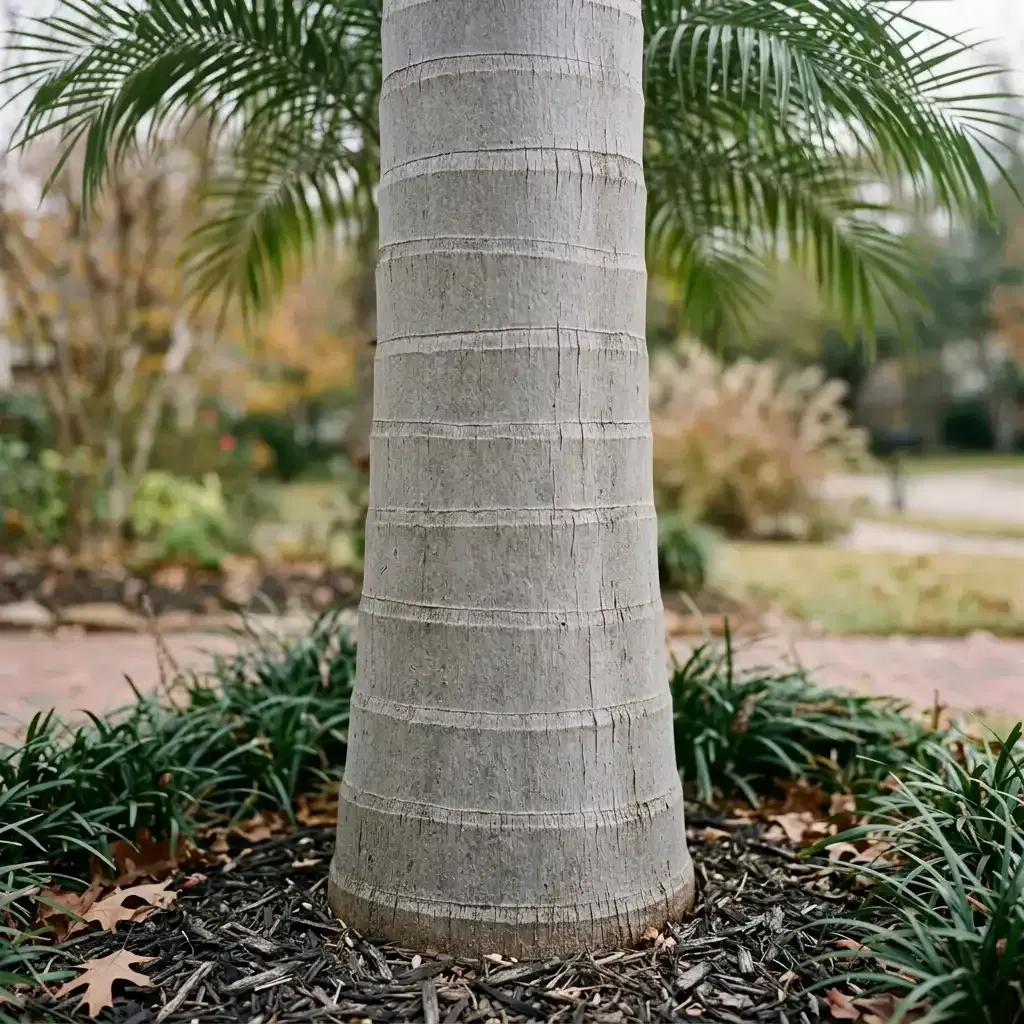
The Queen Palm is one of the most recognizable palms in Greater Houston. Native to South America, it is prized for its graceful, feathery fronds that arch elegantly from a smooth, ringed trunk. It grows relatively quickly, reaches 25 to 50 feet at maturity, and creates the kind of lush, resort-style tropical atmosphere that many Houston homeowners are looking for.
It is also one of the most widely planted palms in the region, which means it is readily available, generally affordable, and well understood by local landscapers.
The Phoenix Sylvestris (Silver Date Palm)
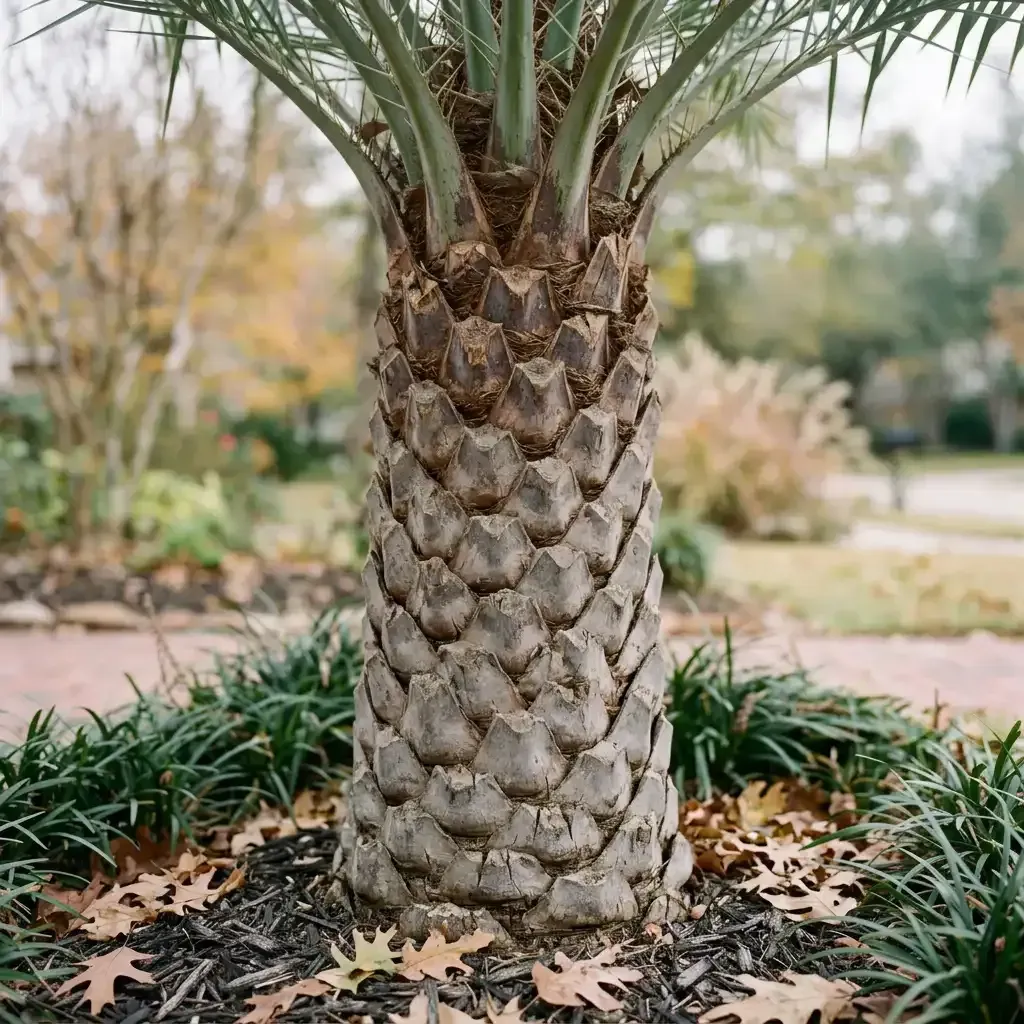
The Phoenix Sylvestris, also known as the Silver Date Palm, is a more dramatic and architecturally distinctive palm. Native to the Indian subcontinent, it features a robust solitary trunk with a striking diamond-patterned surface and a crown of stiff, silver-green to blue-green arching fronds that give it a more formal, statement-making presence.
It grows more slowly than the Queen Palm but is significantly more cold-hardy, more drought-tolerant, and tends to require less ongoing nutritional intervention in Houston's soils. A mature Phoenix Sylvestris is one of the most impressive landscape trees available to Houston homeowners.
For a complete guide to this variety, read our post: Phoenix Sylvestris:
The Complete Guide to the Silver Date Palm
Side-by-Side Comparison
Appearance and Visual Impact
The
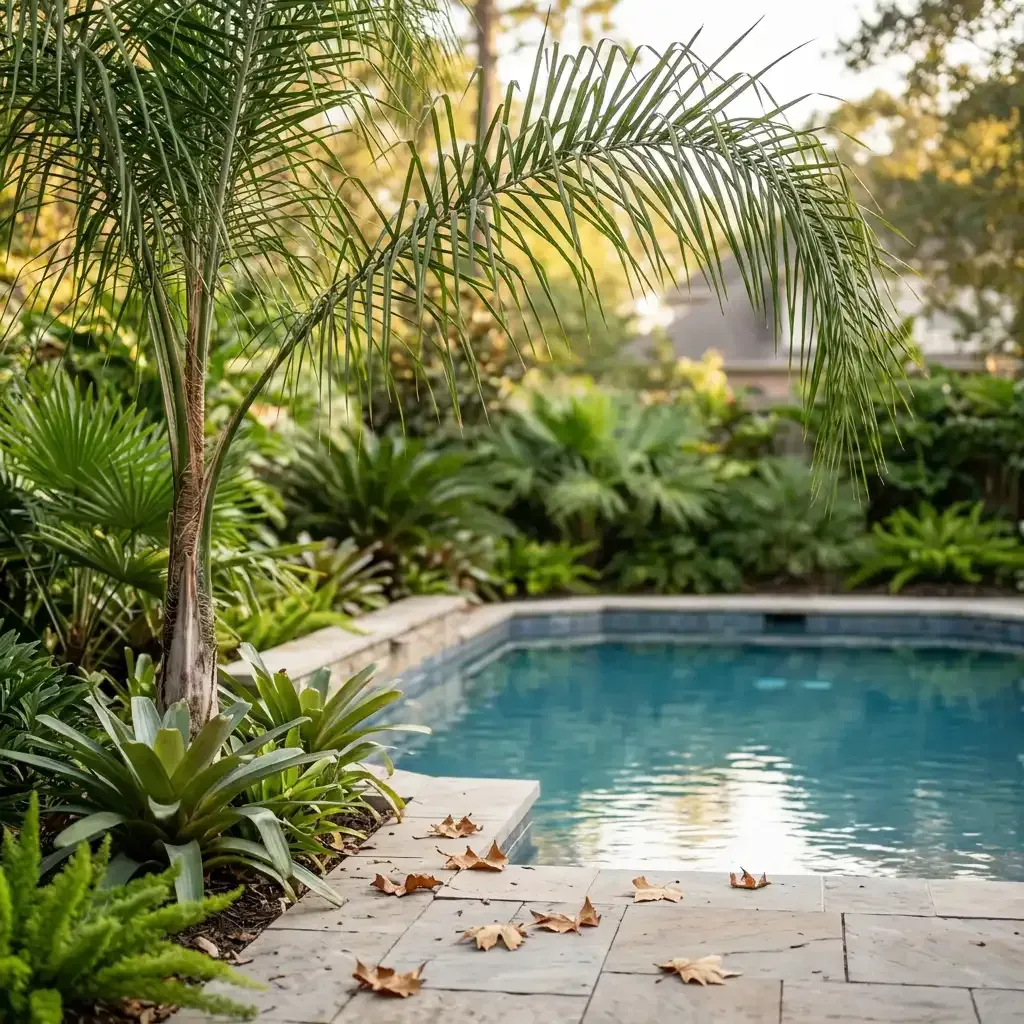
Queen Palm has a lighter, more tropical feel. Its feathery fronds are softer in texture and movement, and its smooth ringed trunk has an elegant simplicity. It works well in poolside settings, grouped plantings, and landscapes that lean toward a lush, Florida-style tropical aesthetic.
The
Phoenix Sylvestris has a heavier, more formal presence. Its diamond-patterned trunk is one of the most distinctive features of any palm available in Houston, and its silver-green fronds create a color that stands out clearly against both dark foliage and light architecture. It suits landscapes that call for a bold, architectural statement rather than a soft tropical backdrop.
Both palms are impressive, but they serve different design intentions. If your goal is lush and tropical, the Queen Palm is the stronger choice. If your goal is dramatic and distinctive, the Phoenix Sylvestris wins.
Growth Rate and Mature Size
The Queen Palm grows at a moderate to fast pace, typically adding 2 to 3 feet per year under good conditions in Houston's climate. It reaches 25 to 50 feet at maturity with a canopy spread of 10 to 15 feet. This faster growth rate means it delivers visual impact relatively quickly after planting.
The Phoenix Sylvestris grows more slowly, typically adding 1 to 1.5 feet per year once established. It reaches 40 to 50 feet at maturity with a canopy spread of 10 to 15 feet. The trade-off for slower growth is greater long-term structural integrity and a trunk and canopy that develop real character over time.
If you want a palm that looks impressive quickly, the Queen Palm has an advantage in the early years. If you are planting for the long term and can wait for full development, the Phoenix Sylvestris becomes the more rewarding investment.
Cold Hardiness
This is one of the most significant differences between the two varieties, and it matters considerably in Houston's climate.
The
Queen Palm is cold-sensitive. It begins showing frost damage at temperatures around 25 to 27 degrees Fahrenheit, and a hard freeze can cause significant canopy loss or crown damage. Freeze events of the kind Houston has experienced recently are a genuine risk for Queen Palms, particularly for specimens that were already stressed going into winter.
The
Phoenix Sylvestris is meaningfully more cold-hardy, tolerating temperatures down to approximately 15 to 18 degrees Fahrenheit. It can still show root damage in a severe freeze, but its growing point is far more resilient to cold than the Queen Palm's, and its recovery rate after a freeze event is significantly better.
For homeowners who want a palm that handles Houston winters with less intervention and less risk, the Phoenix Sylvestris is the more reliable choice.
For more on protecting palms during Houston freeze events, read our post:
How to Protect Your Palm Trees from a Houston Freeze: What to Do Before, During, and After a Cold Snap.
Drought Tolerance
Once established, the
Phoenix Sylvestris is highly drought tolerant. It evolved in the subtropical conditions of southern Asia, where long dry periods are common, and adapts well to Houston's variable rainfall patterns without demanding consistent supplemental irrigation.
The
Queen Palm has moderate drought tolerance once established, but it is more sensitive to prolonged dry periods and benefits from more consistent watering during Houston's hot summers. In years when rainfall is irregular or summer heat is particularly intense, Queen Palms show stress more readily than Phoenix Sylvestris palms under comparable conditions.
Nutritional Requirements
Both palms benefit from palm-specific fertilization in Houston's soils, but the
Queen Palm is noticeably more demanding in this regard.
Queen Palms are prone to magnesium and manganese deficiencies in Greater Houston's alkaline, clay-heavy soils. These deficiencies cause yellowing fronds, stunted new growth, and a gradual decline in canopy quality if not addressed consistently.
Queen Palms require regular palm-specific fertilization, typically two to three times per year, to maintain healthy appearance and vigor.
The Phoenix Sylvestris also benefits from consistent fertilization, but it tends to show nutritional deficiencies less dramatically and responds well to a standard palm fertilization program without the same level of ongoing intervention.
For homeowners who prefer a lower-maintenance fertilization program, the Phoenix Sylvestris is the more forgiving choice.
Soil and Drainage Requirements
Both palms require well-draining soil and do not tolerate prolonged waterlogging. Houston's clay-heavy soils present a drainage challenge for both varieties, and improving drainage at the planting site is important for either palm.
The Phoenix Sylvestris adapts to a wider range of soil conditions, including slightly alkaline soils, without significant performance loss.
The Queen Palm is more sensitive to soil quality and performs best when the planting area is properly amended and drainage is well-managed from the outset.
Landscaping Uses
The Queen Palm works especially well as a poolside palm, a grouped planting for a lush canopy effect, or a lighter tropical accent in a mixed planting bed. Its feathery fronds and moderate size make it versatile in a range of residential settings.
The Phoenix Sylvestris excels as a specimen tree in an open lawn, a driveway entrance focal point, or a paired planting that creates a formal, statement-making first impression. Its scale and presence make it best suited to larger yards where it has room to develop fully.
For design ideas specific to the Phoenix Sylvestris, read our post:
Phoenix Sylvestris for Landscaping: Design Ideas for Houston Homeowners.
For a broader look at palm options for smaller spaces, read our post:
The Best Small Palm Trees for Houston Yards.
Which One Is Right for You?
Choose the Queen Palm if you want a fast-growing, lush, tropical-looking palm for a poolside setting or grouped planting; you are comfortable with regular fertilization and monitoring; your yard has good drainage; and freeze protection is something you are willing to manage.
Choose the Phoenix Sylvestris if you want a bold, architecturally distinctive statement palm with long-term durability; you prefer a lower-maintenance palm that handles Houston's winters more reliably; you are planting for the long term and can allow time for full development; and you want a palm that holds its value as a landscape investment.
If you are still uncertain, the single most useful question to ask is, "How much ongoing attention am I willing to give this palm?"
The Queen Palm rewards consistent care with a beautiful result, but it punishes neglect more visibly than the Phoenix Sylvestris. The Silver Date Palm is more self-sufficient once established, which makes it the stronger choice for homeowners who want impressive results with less intervention.
A Note on Long-Term Investment
Both palms represent a meaningful landscape investment, and both benefit from consistent year-round care that goes beyond seasonal attention.
Regardless of which variety you choose, a structured approach to palm health, covering nutrition, drainage, regular inspections, and freeze preparation, makes a measurable difference in how your palm looks and performs over time.
For more on what year-round palm care looks like in practice, read our guide:
Why Palm Trees in Houston Need Year-Round Care (Not Just Winterization).
At
Rosehill Palms, our
Palm Thrive program provides structured quarterly care for both Queen Palms and Phoenix Sylvestris, with professional inspections, palm-specific nutrition, and ongoing monitoring designed to protect your investment through every Houston season.
Conclusion
The Queen Palm and the Phoenix Sylvestris are both excellent palms for Houston landscapes, but they suit different goals, different budgets, and different levels of ongoing commitment. The Queen Palm offers faster growth, a softer tropical aesthetic, and a lower initial cost. The Phoenix Sylvestris offers greater cold hardiness, a more distinctive and architectural presence, and better long-term resilience with less intervention.
Neither choice is wrong. The right one is the one that matches your yard, your vision, and your willingness to care for it over time.
At
Rosehill Palms, our team has been helping Greater Houston homeowners choose the right palms for their landscapes for over fifteen years. If you want help deciding which variety fits your specific situation, we are happy to talk through the options with you.
Browse our
Palm Trees selection or
contact our team.
Frequently Asked Questions
Which palm is better for a Houston pool area, the Queen Palm or the Phoenix Sylvestris?
For poolside settings, the Queen Palm is generally the more popular choice. Its feathery, arching fronds create a lush, resort-style atmosphere, and its moderate size works well proportionally most residential pool areas. The Phoenix Sylvestris can also work poolside, but its larger scale and more formal presence are better suited to larger properties where it has room to develop without dominating the space.
Which palm handles Houston winters better?
The Phoenix Sylvestris is significantly more cold-hardy than the Queen Palm. It tolerates temperatures down to approximately 15 to 18 degrees Fahrenheit, while the Queen Palm begins showing cold damage at around 25 to 27 degrees Fahrenheit. For homeowners who want a palm that handles Houston freeze events with less risk and less intervention, the Phoenix Sylvestris is the stronger choice.
Which palm grows faster?
The Queen Palm grows faster, typically adding 2 to 3 feet per year under good conditions. The Phoenix Sylvestris grows more slowly, typically adding 1 to 1.5 feet per year once established. If you want a palm that delivers visual impact more quickly after planting, the Queen Palm has an advantage in the early years.
Are Queen Palms high maintenance in Houston?
Compared to the Phoenix Sylvestris, yes. Queen Palms are particularly prone to magnesium and manganese deficiencies in Houston's alkaline soils, which means they require consistent palm-specific fertilization to maintain healthy color and growth. They also require more attentive freeze protection during cold events. With proper care they are beautiful palms, but they reward consistent attention and show stress more visibly when that attention is inconsistent.
Can I plant both a Queen Palm and a Phoenix Sylvestris in the same yard?
Yes, and the combination can work very well. The Queen Palm's lighter, feathery texture and the Phoenix Sylvestris's heavier, more architectural form complement each other, and they can be used to serve different design functions within the same landscape. The key is ensuring each palm has adequate space, and appropriate drainage, and receives the specific care its variety requires.
How do I choose between the two if I am not sure?
The most useful question to ask yourself is how much ongoing attention you are willing to give your palms. If you are comfortable with regular fertilization, freeze monitoring, and consistent care, the Queen Palm is a beautiful and rewarding choice. If you prefer a palm that is more self-sufficient once established and handles Houston's climate with greater resilience, the Phoenix Sylvestris is the better investment. Our team at
Rosehill Palms is also happy to talk through your specific situation and help you decide.
Flexible
90-Day
Payment Option!
We believe your dream outdoor space should be within reach. That's why we offer a convenient 90-day in-house payment option to fit your budget.
How It Works:
50% DOWN PAYMENT.
Due upon approval to secure your project, materials, and labor. The remaining balance is divided into 3 equal payments.
Invest in Your Outdoor Space Now
Recent Posts
Proud member of the
Texas Nursery & Landscape Association

Please feel free to contact us via the form below. We will give you an answer as soon as possible!
Contact Rosehill Palms
We will get back to you as soon as possible.
Please try again later.
Rosehill Palms | Developed by WSI Urdaneta Group | All Rights Reserved 2026